Manage a Bank Account
Your bank account is the foundation of your financial life. Know how it works, protect it fiercely, and make it work for you.



Step-by-Step
-
Choose the Right Account
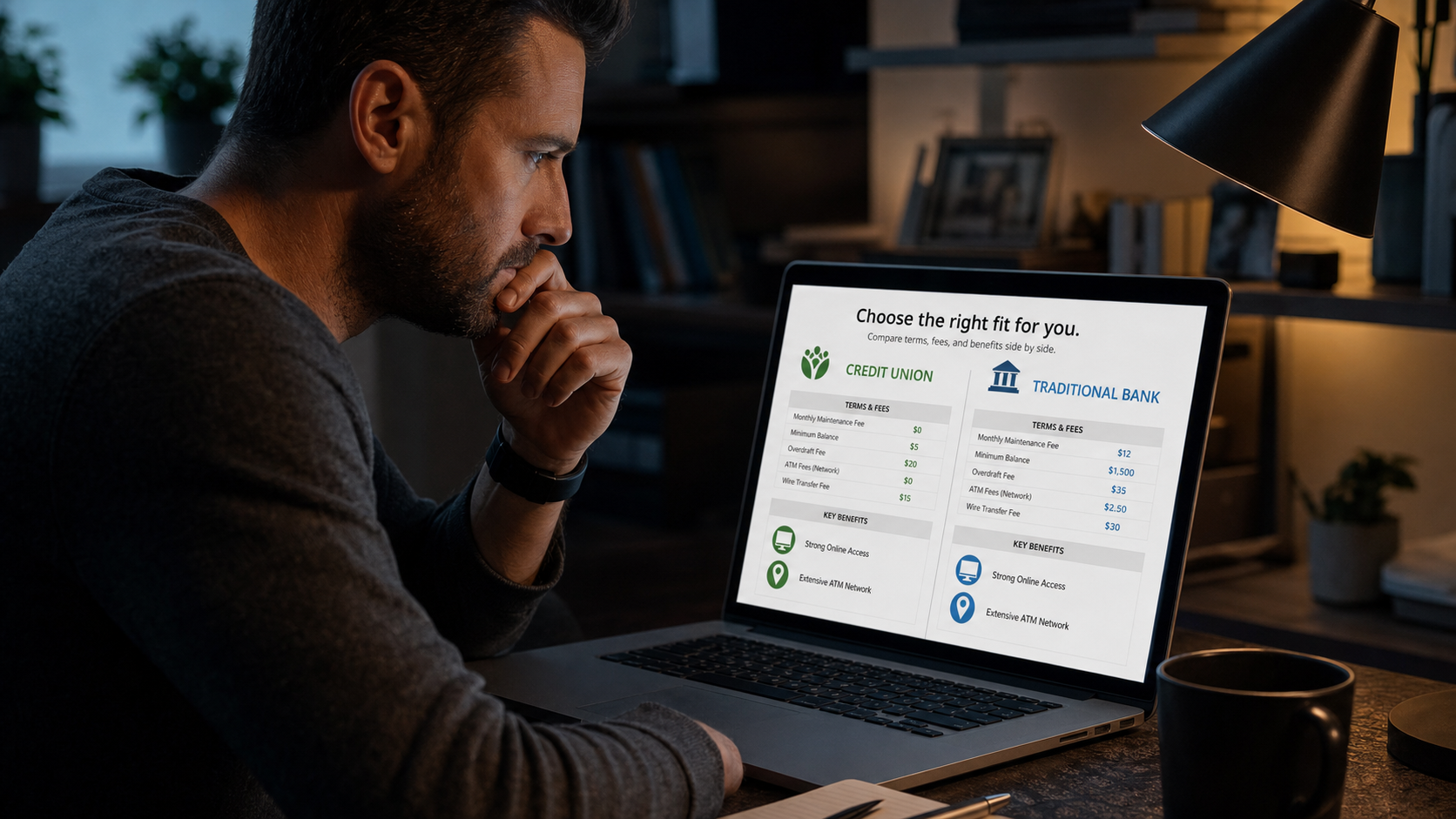
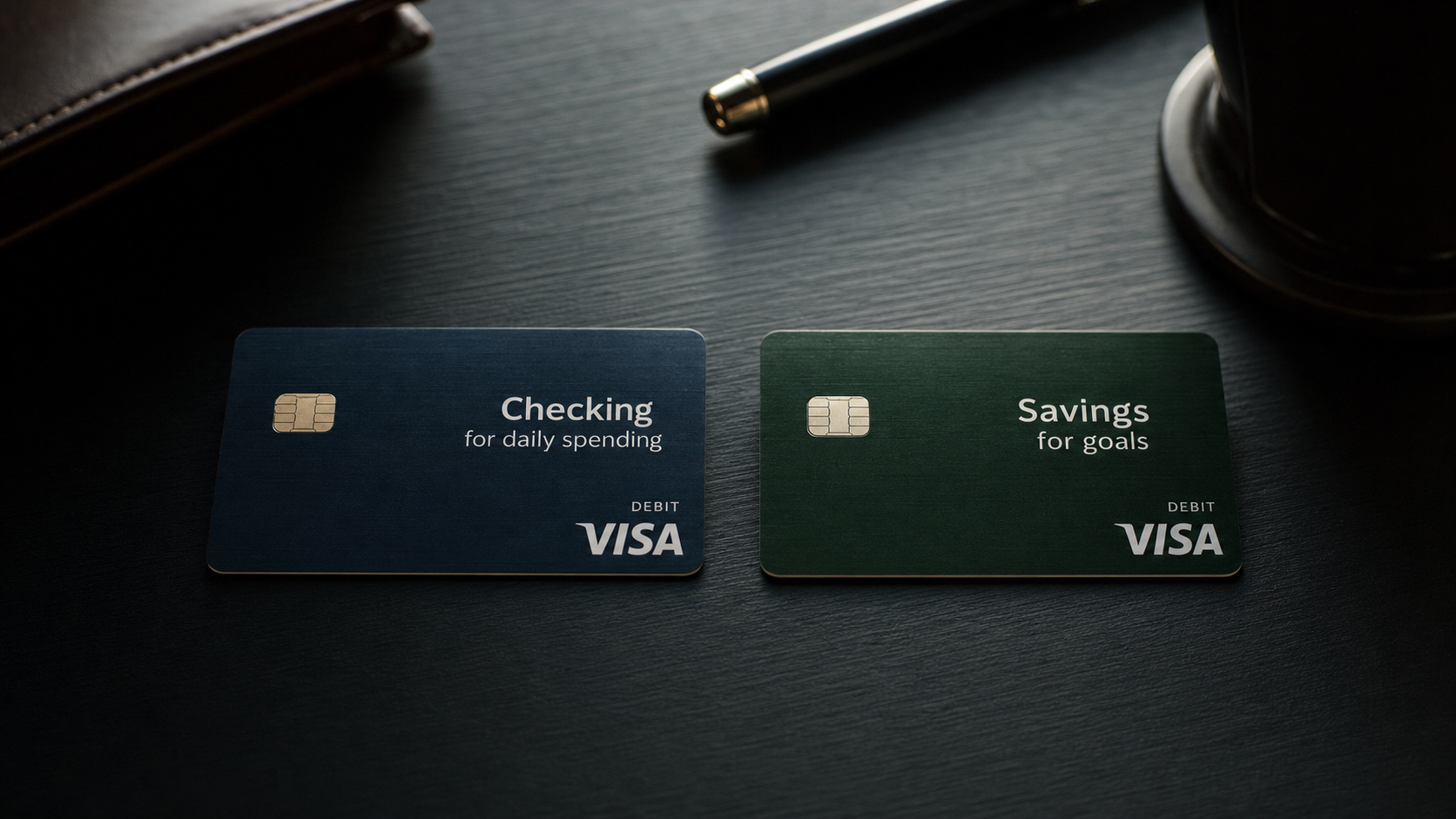
Separate checking (spending) from savings (storing). Keep a minimum buffer in checking — 1 month of expenses — to avoid overdrafts. Your savings account should earn interest.
-
Set Up Direct Deposit
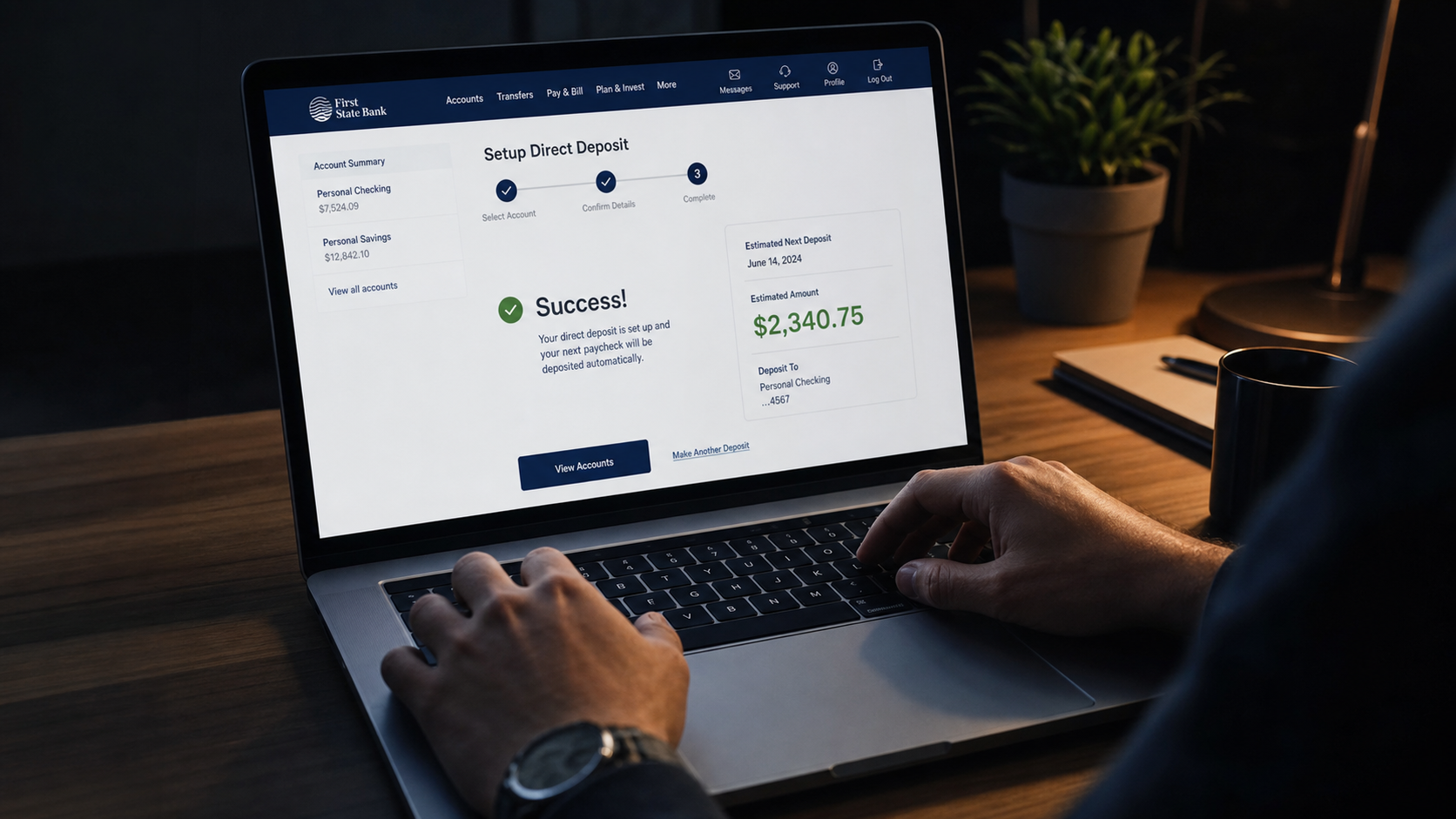
Have your paycheck deposited directly to your checking account. Many banks waive fees with direct deposit. It is faster, safer, and reduces the temptation to spend cash before it is deposited.
-
Enable Account Alerts
Set up text or email alerts for: low balance, large transactions, any external transfers. These protect you from overdrafts and catch fraudulent activity immediately.
-
Review Statements Weekly
Spend 5 minutes each week scanning your transactions. Catch unauthorized charges early. Most banks limit fraud liability to 60 days — acting quickly protects you.
-
Understand Your Fees
Know every fee your bank can charge: overdraft, foreign transaction, wire transfer, minimum balance. Avoid them or switch to an account that does not have them.
-
Build a Banking Relationship
Know your banker's name. Maintain a history of on-time payments and responsible balances. This relationship matters when you need a loan, line of credit, or assistance resolving an issue.
Recommended Tools Affiliate Links
Products we recommend for this skill. As an Amazon Associate we earn from qualifying purchases.
More Skills to Learn